Sciatica Treatment in Murfreesboro, TN
Find Relief from Sciatic Nerve Pain with Chiropractic Care
Are you experiencing pain that travels from your lower back into your buttock, hip, or leg? Do you struggle with sitting, standing, walking, or completing everyday activities because of shooting pain, tingling, or numbness? You may be experiencing sciatica.
At Abundant Life Chiropractic – Murfreesboro, we provide personalized chiropractic care to help patients experiencing sciatica and lower back pain. Our goal is to identify contributing factors, improve spinal and joint mobility, reduce mechanical irritation, and help you return to your normal daily activities with greater comfort and function.
What Is Sciatica?
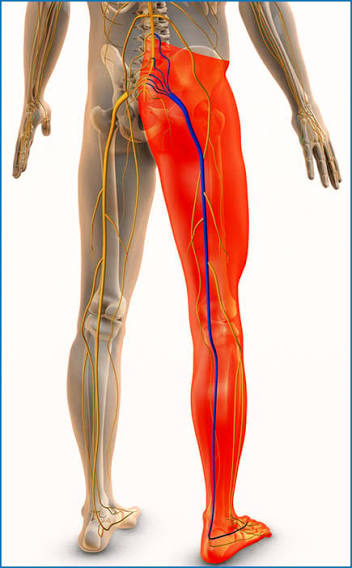
Sciatica refers to pain and other symptoms associated with irritation or compression of the sciatic nerve or its nerve roots. The sciatic nerve is the largest nerve in the body, originating from the lower lumbar and sacral regions of the spine and traveling through the buttock and down each leg.
When the nerve roots become irritated, symptoms can develop along the path of the sciatic nerve. Sciatica typically affects one side of the body, although symptoms can vary depending on the underlying cause.
Common causes and contributing factors include:
- Lumbar disc herniations or bulging discs
- Degenerative changes in the lumbar spine
- Spinal stenosis
- Joint restrictions and altered spinal mechanics
- Muscle-related irritation, including deep gluteal conditions
- Prolonged sitting and repetitive movements
Understanding the underlying cause of your symptoms is an important part of developing an appropriate treatment plan.
Common Symptoms of Sciatica
Sciatica can present differently from person to person. Some patients experience mild discomfort, while others experience significant pain that interferes with everyday activities.
Common symptoms include:
- Sharp, shooting, or burning pain in the lower back, buttock, or leg
- Pain that travels down the back or side of the leg
- Tingling or pins-and-needles sensations
- Numbness in the leg or foot
- Muscle weakness in the affected leg
- Increased discomfort with prolonged sitting
- Pain that worsens with certain movements, bending, or lifting
If you are experiencing persistent radiating pain, a chiropractic evaluation can help determine whether conservative care may be appropriate.
How Can Chiropractic Care Help Sciatica?
Chiropractic care may help patients with certain causes of sciatica by addressing mechanical factors affecting the lumbar spine, pelvis, and surrounding structures.
At Abundant Life Chiropractic, care is tailored to each patient’s symptoms, examination findings, and functional goals.
Depending on your individual needs, your treatment plan may include:
Chiropractic Adjustments – Chiropractic adjustments are used to address restricted joint mobility and improve spinal mechanics. When appropriate, adjustments may help reduce mechanical stress and improve movement in the lower back and pelvis.
Soft Tissue Therapy – Soft tissue techniques can help address muscle tension, tenderness, and movement restrictions involving the lower back, hips, and gluteal muscles.
Therapeutic Exercises – Specific exercises may help improve core stability, mobility, strength, and movement patterns. Your exercise recommendations will depend on your symptoms and tolerance.
Movement and Postural Recommendations – Daily habits, prolonged sitting, lifting mechanics, and repetitive movements can contribute to lower back discomfort. We can provide recommendations to help you modify aggravating activities and support better movement.
Not every patient requires the same treatment. Your care will be individualized based on your examination and response to treatment.
What to Expect During Your Chiropractic Visit
Your first visit begins with a thorough consultation and examination to better understand your symptoms and identify potential contributing factors.
Your evaluation may include:
- Review of your health history and current symptoms
- Assessment of spinal and pelvic mobility
- Orthopedic and neurological testing when indicated
- Evaluation of posture, movement, and functional limitations
- Determination of whether chiropractic care is appropriate
Based on your findings, we will discuss our recommendations and develop a personalized treatment plan.
If your symptoms suggest a condition requiring additional medical evaluation, we will recommend an appropriate referral.
When Should You Seek Care for Sciatica?
You do not have to wait until pain becomes severe to seek an evaluation. If lower back pain, radiating leg pain, or tingling is interfering with your daily activities, an evaluation may help identify the source of your symptoms and determine appropriate next steps.
However, certain symptoms require urgent medical attention. Seek emergency care if you develop new loss of bladder or bowel control, numbness around the groin or saddle region, or rapidly progressing leg weakness.
Sciatica Treatment in Murfreesboro, Tennessee
Living with sciatic nerve pain can make even simple activities uncomfortable. Whether you are struggling with prolonged sitting, difficulty walking, lower back pain, or radiating leg discomfort, finding the right approach to care matters.
At Abundant Life Chiropractic – Murfreesboro, we provide individualized chiropractic care focused on improving mobility, supporting healthy movement, and helping patients manage musculoskeletal pain.
We proudly serve patients in Murfreesboro and surrounding communities who are looking for conservative chiropractic care for lower back pain, sciatica, and related conditions.
Frequently Asked Questions About Sciatica
Can a chiropractor help with sciatica?
Chiropractic care may help certain patients with sciatica, particularly when symptoms are related to mechanical problems involving the lumbar spine and surrounding joints. Treatment recommendations depend on the underlying cause and individual examination findings.
How long does sciatica take to improve?
Recovery varies depending on the cause, severity, duration of symptoms, and individual health factors. Some people improve within a few weeks, while others may experience symptoms for longer. An individualized evaluation can help guide expectations.
Can sitting make sciatica worse?
Yes. Prolonged sitting can aggravate symptoms in some individuals, particularly when certain spinal positions increase irritation of sensitive nerve structures. Taking movement breaks and modifying sitting positions may help.
Can sciatica go away on its own?
Many cases of sciatica improve over time with conservative management. However, persistent, worsening, or severe symptoms should be evaluated to determine the underlying cause and appropriate treatment.
Is walking good for sciatica?
Gentle walking may help some individuals maintain mobility and avoid prolonged inactivity. However, activities should be adjusted based on symptom response, and worsening neurological symptoms should be evaluated.
What is the difference between sciatica and lower back pain?
Lower back pain is discomfort localized to the lumbar region, while sciatica involves symptoms associated with irritation of the sciatic nerve or its nerve roots, often extending into the buttock and leg. Both can occur together.

